The Work — Pilates for the Fire Service
I am not a Pilates teacher who thinks firefighters should stretch more.
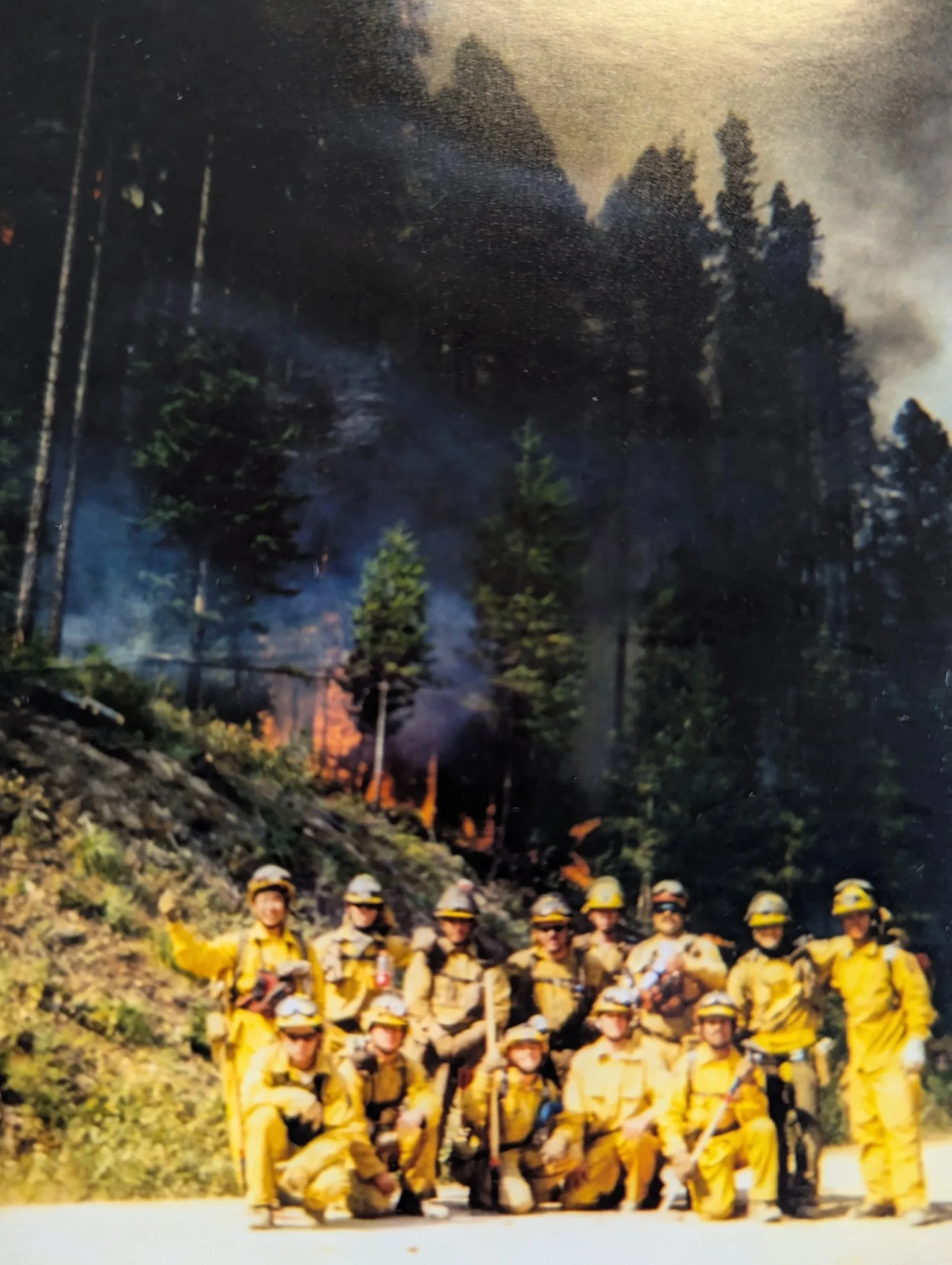
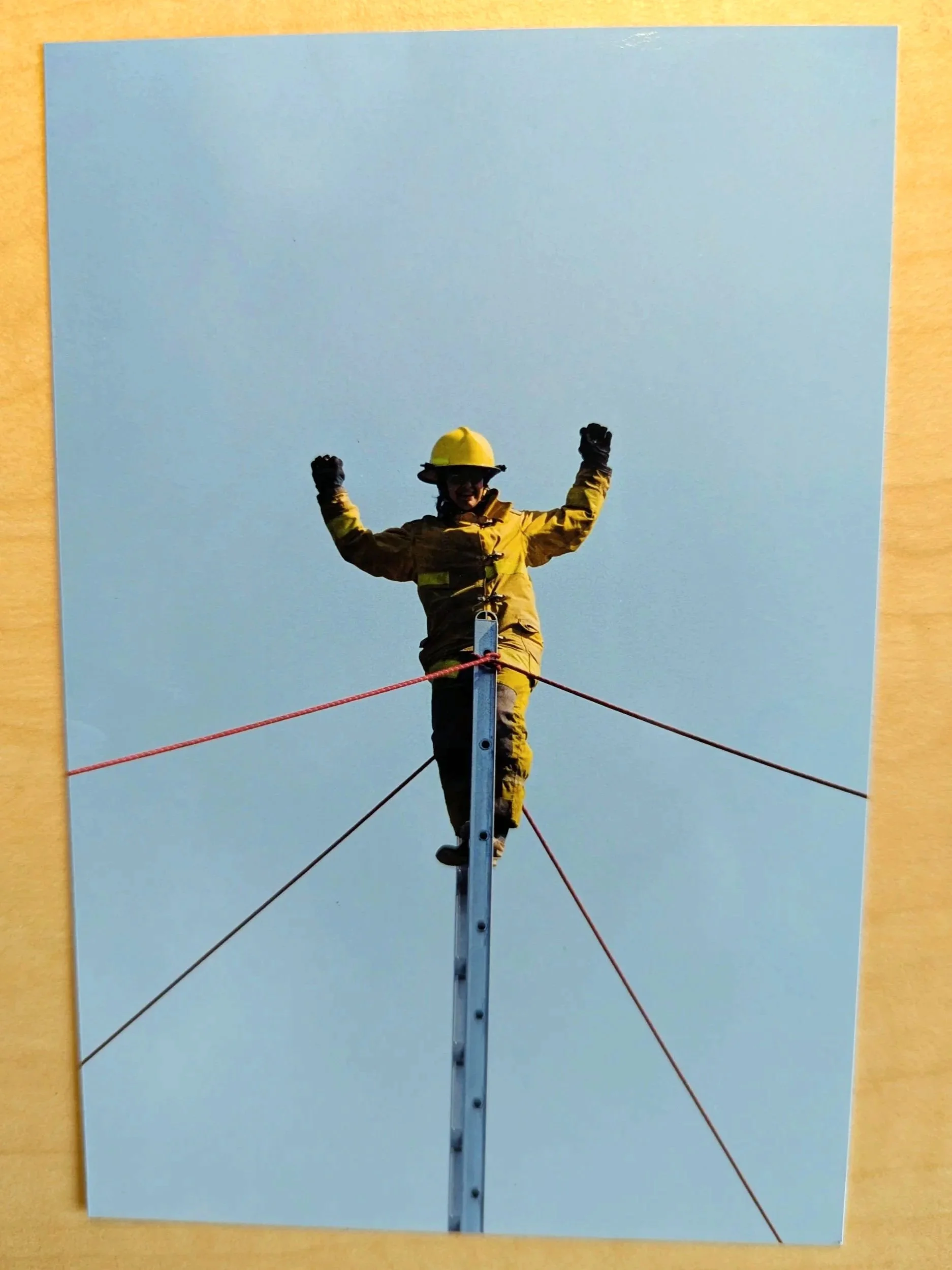
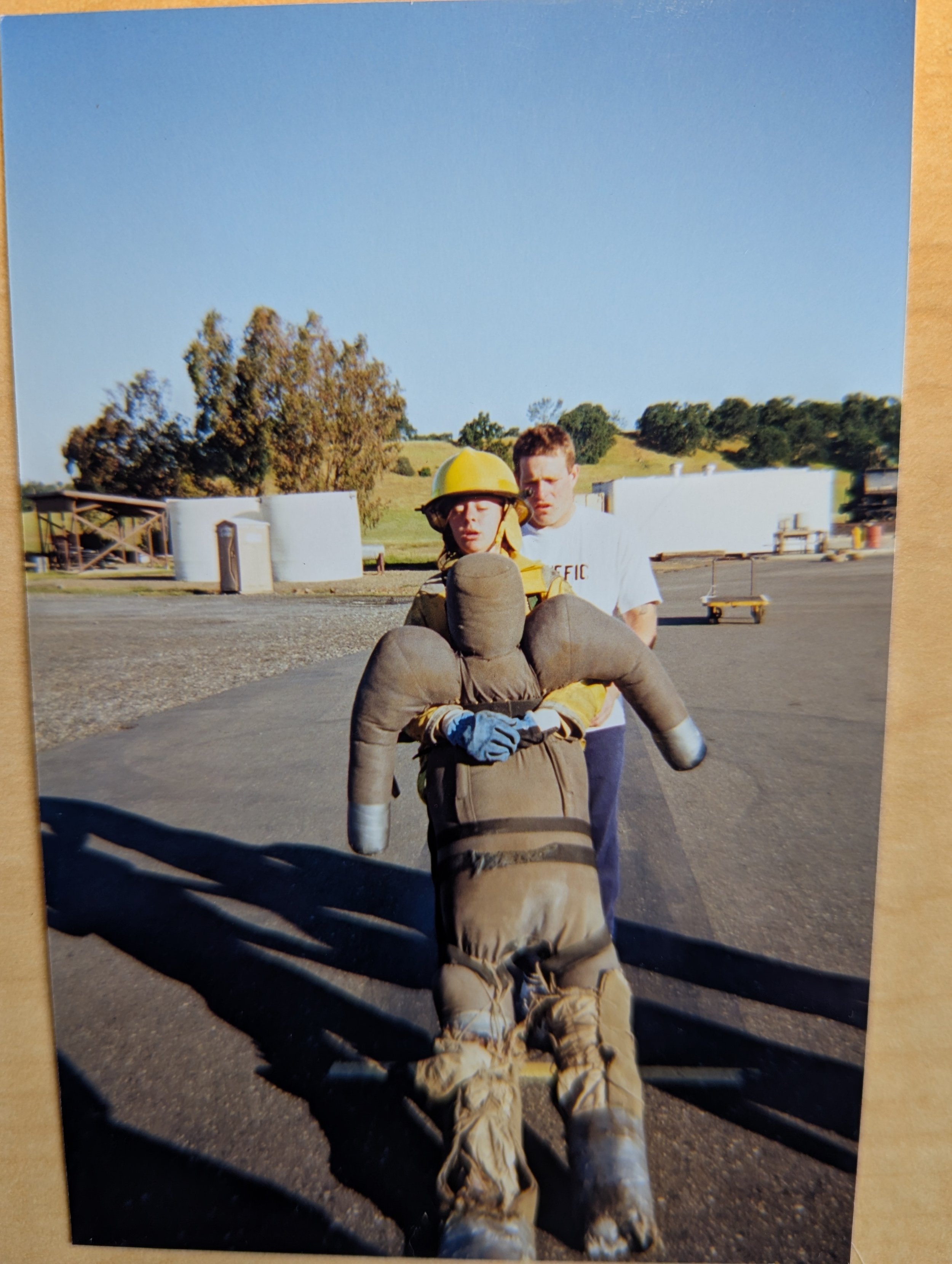
I was a CalFire Firefighter I and EMT who spent years on the line — handcrew, helitack, and Schedule B municipal response in Magalia, Paradise, Chico, and Los Gatos — before a rare heart diagnosis ended that chapter. I hold structural firefighting credentials, low angle and swiftwater rescue certifications, and hazmat response training. I know what that work does to a body because I lived it.
When I left the fire service I became a Nationally Certified Pilates Teacher and a Strength and Conditioning Coach. I am currently completing a B.S. in Fire Science. I am not approaching this from the outside.
The problem:
Musculoskeletal injury is the leading cause of firefighter disability. The wellness programs currently available to fire personnel are almost entirely cardiovascular. NFPA 1500 mandates more — and the gap between what's mandated and what's actually delivered is where careers end early.
The physical demands of firefighting require spinal stabilization under load, diaphragmatic breath control under SCBA, hip and thoracic mobility in confined spaces, and neuromuscular coordination during high-stress operations. These are not gym skills. They are body mechanics skills — and they are exactly what classical Pilates builds.